
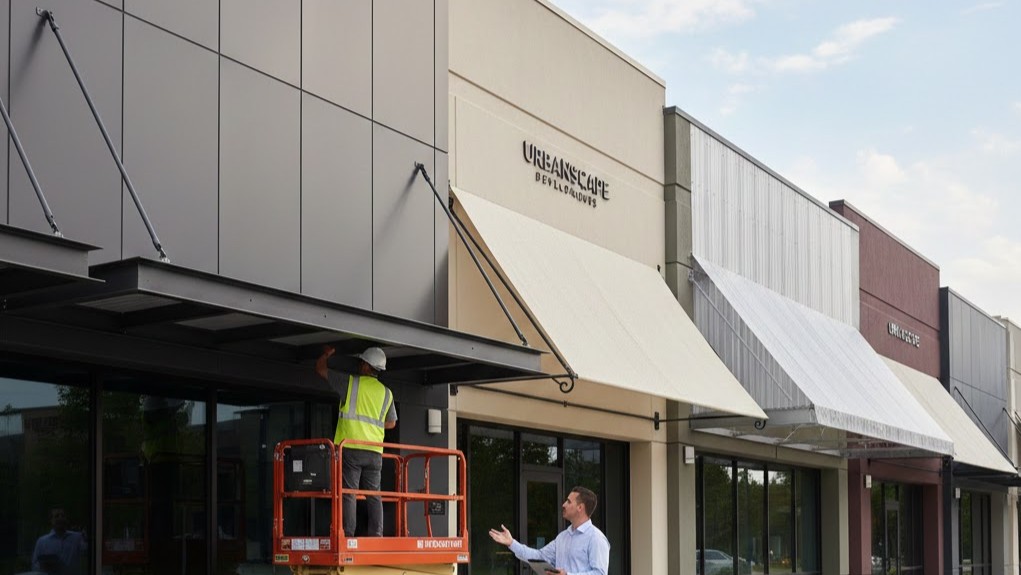
Your building is exposed to sun, rain, heat, wind, and pollution every single day. Yet, many property owners do not realize how important their awning system is until damage starts to appear.
Choosing the right awning roofing materials is not just a design decision — it is a protective investment that affects:
-
Indoor temperature
-
Energy saving
-
Weather protection
-
Maintenance cost
-
Building lifespan
In this guide, you will clearly understand:
-
What awning roofing materials are
-
All major material types
-
How to choose the best option for your building
-
Why taking action early can save thousands in repair costs
What Are Awning Roofing Materials?
Awning roofing materials are the surface coverings used to construct awnings. Awnings are installed at building entrances, windows, walkways, shop fronts, car porches, and outdoor areas.
Their main functions are to:
✅ Block direct heat and sunlight
✅ Prevent rainwater from entering the building
✅ Protect doors, windows, and walls from damage
✅ Improve building appearance
✅ Create shaded outdoor space
Using the wrong awning roofing materials can result in:
❌ Leaks
❌ Cracks
❌ Warping
❌ Fading
❌ Structural corrosion
Why Choosing the Right Awning Roofing Materials Is So Important?
Many people choose awning materials based on price alone. This is one of the biggest mistakes in building protection.
The right awning roofing materials provide:
✅ Long-term durability – No frequent replacement
✅ Lower maintenance cost – Less cleaning and repair
✅ Stronger weather resistance – Rain, wind, heat, UV
✅ Better comfort – Cooler indoor temperature
✅ Higher property value – Better appearance and protection
On the other hand, the wrong choice results in:
-
Frequent leaks
-
Heat penetration
-
Rust formation
-
Structural weakening
-
Expensive repair bills
One wrong decision can cost you far more than the price of quality materials.
Complete Breakdown of Awning Roofing Materials
Here’s how to know it’s time to call a roofing expert:
-
Water stains on ceiling/walls
-
Loose or missing roofing tiles
-
Strong mildew smell
-
Sagging roof structure
-
Debris falling from your attic
-
Rusting metal roof sheets
If you spot even one of these, it means the problem has already started.
How to Choose the Right Roofing Contractor in Klang Valley
1. Polycarbonate Awning Roofing Materials
One of the most popular choices in modern construction.
✅ Excellent UV protection
✅ High heat resistance
✅ Lightweight but impact-resistant
✅ Allows natural light to pass through
✅ Very modern and clean appearance
⚠ Can be noisy during heavy rain (if not insulated)
Best for:
Houses, shops, walkways, car porches, balconies, corridors
Expected lifespan: 10–15 years
2. Metal Awning Roofing Materials (Aluminum / Zinc)
Built for maximum strength and durability.
✅ Extremely strong against wind and storms
✅ Fully waterproof
✅ Fire-resistant
✅ Long-lasting under harsh conditions
⚠ Absorbs heat
⚠ Heavier structure required
Best for:
Factories, warehouses, industrial buildings, commercial areas
Expected lifespan: 15–25 years
3. Fabric Awning Roofing Materials
Focused on design and flexibility.
✅ Attractive and stylish
✅ Available in many colors and patterns
✅ Retractable design available
✅ Lightweight structure
⚠ Lower durability
⚠ Fades under direct sunlight
⚠ Requires frequent cleaning
Best for:
Cafes, restaurants, patios, shop fronts, hotels
Expected lifespan: 3–7 years
4. PVC Awning Roofing Materials
A budget-friendly option for short-term use.
✅ Very affordable
✅ Waterproof
✅ Flexible and easy to install
✅ Good for temporary setups
⚠ Weak against strong wind
⚠ Short lifespan
⚠ Can look cheap if poorly installed
Best for:
Temporary stalls, events, budget shelters
Expected lifespan: 2–5 years
How to Choose the Right Awning Roofing Materials for Your Building?
1. Your Building Type
Different buildings require different levels of protection:
-
Houses → Polycarbonate or Fabric
-
Shops → Polycarbonate or Fabric
-
Factories → Metal
-
Warehouses → Metal
2. Local Weather Conditions
In heavy rain and strong heat areas, you need:
-
UV-resistant
-
Heat-blocking
-
Waterproof materials
3. Design vs Strength
-
For beauty → Fabric
-
For long-term protection → Polycarbonate or Metal
4. Your True Budget
Cheap materials often lead to:
-
Frequent replacement
-
Higher maintenance
-
Higher long-term costs
Spending slightly more now often saves more later.
5. Maintenance Requirements
-
Low maintenance → Polycarbonate, Metal
-
High maintenance → Fabric, PVC
Common Mistakes That Cause Awning Failure
Avoid these costly errors:
❌ Choosing the cheapest option without checking durability
❌ Ignoring roof slope and water flow
❌ Using indoor materials outdoors
❌ Poor frame quality
❌ No waterproof sealing
❌ DIY installation without experience
These mistakes are the main reason awnings fail within just a few years.
Why Professional Installation Is Just as Important as Materials
Even the best awning roofing materials will fail if installation is incorrect.
Professional installation ensures:
✅ Strong structural framing
✅ Correct roof angle for water flow
✅ Proper sealing to prevent leaks
✅ Wind-load resistance
✅ Maximum lifespan of materials
Poor installation can destroy even premium materials within months.
Signs You Must Replace Your Awning Roofing Materials Immediately
Do not ignore these warning signs:
-
Rust on metal sheets
-
Cracked polycarbonate
-
Water leaking from joints
-
Sagging structure
-
Severe fading
-
Mold growth
Delaying replacement allows water and heat to slowly destroy your building structure.
Best Time to Install or Upgrade Awning Roofing Materials
The best time is:
✅ Before monsoon season
✅ Before peak summer heat
✅ Before structural damage spreads
Once concrete cracks or steel rusts, repair costs increase rapidly.
FAQs: Awning Roofing Materials
1. What are awning roofing materials?
Awning roofing materials are the materials used to cover awnings that protect buildings from sun, rain, and harsh weather. Common materials include polycarbonate, metal, fabric, and PVC.
2. Which awning roofing material is best for Malaysian weather?
For hot and rainy climates, polycarbonate and metal awning roofing materials are the best choices because they are UV-resistant, waterproof, and long-lasting.
3. How long do awning roofing materials last?
The lifespan depends on the material:
-
Polycarbonate: 10–15 years
-
Metal: 15–25 years
-
Fabric: 3–7 years
-
PVC: 2–5 years
Proper installation and maintenance can extend their lifespan significantly.
4. Are polycarbonate awning roofing materials better than metal?
Yes and no. Polycarbonate offers better heat control and modern appearance, while metal provides maximum strength and durability. The best choice depends on your building type and budget.
5. What is the most cost-effective awning roofing material?
PVC and basic polycarbonate sheets are the most budget-friendly options. However, paying slightly more upfront for better materials often means lower maintenance and replacement costs later.
6. Can old awning roofing materials be replaced without changing the frame?
Yes. In most cases, the roofing material can be replaced while keeping the existing frame, as long as the frame is still structurally strong and rust-free.
7. How do I know if my awning roofing materials need replacement?
You should replace your awning if you see:
-
Cracks or leaks
-
Rust on metal sheets
-
Severe fading
-
Sagging structure
-
Water pooling
These signs show the material is no longer providing proper protection.
8. Is professional installation really necessary for awning roofing materials?
Yes. Even the best awning roofing materials can fail if installed incorrectly. Professional installation ensures:
-
Proper water flow
-
Strong structural support
-
Leak prevention
-
Longer material lifespan
9. Are awning roofing materials suitable for commercial buildings?
Absolutely. Metal and polycarbonate awning roofing materials are widely used for:
-
Shops
-
Factories
-
Warehouses
-
Restaurants
They provide strong protection and professional appearance.
10. How soon should I install new awning roofing materials if mine are damaged?
Immediately. Delaying replacement can lead to:
-
Water damage
-
Structural corrosion
-
Higher repair costs
-
Interior property damage
Early action always saves more money.
Conclusion
Choosing the right awning roofing materials is more than just a design choice — it is an investment in the protection, durability, and value of your building. By selecting materials that match your building type, local weather conditions, and long-term goals, you ensure better comfort, stronger protection, and lower maintenance costs. Don’t wait until leaks, rust, or cracks appear — acting early saves money and stress in the long run.
Need help selecting the best awning roofing materials for your building? Our team of experts is ready to provide personalized advice, professional installation, and long-lasting solutions. Protect your building and upgrade your awning today — Contact us now!