
Roof waterproofing is an essential part of protecting any building from water damage, especially in areas with heavy rainfall and humid weather conditions. A roof is constantly exposed to rain, heat, and environmental pressure, which can slowly weaken its structure over time. Without proper waterproofing, even small cracks or gaps can allow water to seep in and cause serious damage to ceilings, walls, and internal structures. Understanding the importance of roof waterproofing helps property owners prevent costly repairs and extend the lifespan of their roofing system.
What Is Roof Waterproofing
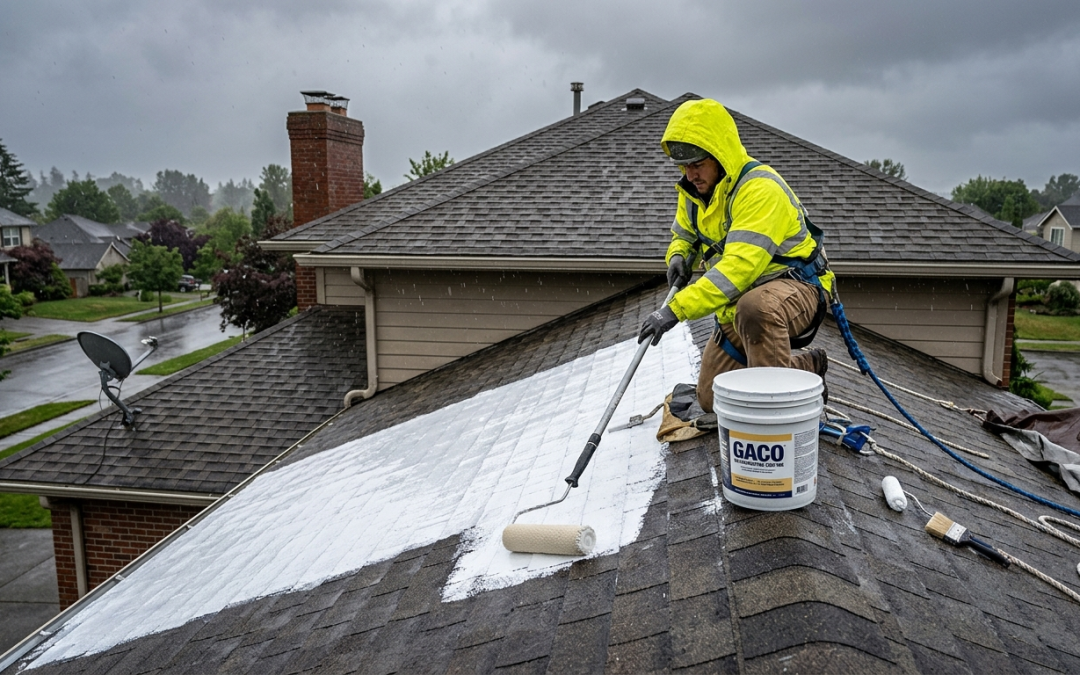
Roof waterproofing is the process of applying protective materials or coatings to prevent water from entering the roof structure. This can include liquid coatings, membranes, sealants, or protective layers that block moisture penetration. The main purpose is to create a barrier that keeps rainwater out while maintaining the strength and durability of the roof. It is commonly used for both residential and commercial buildings to reduce the risk of leaks and long-term structural damage.
Prevents Water Leakage and Moisture Damage
One of the main benefits of roof waterproofing is preventing water leakage. When a roof is not properly protected, water can slowly enter through small cracks or weak points. Over time, this leads to moisture buildup inside ceilings and walls, which can cause stains, mold growth, and weakening of building materials. Waterproofing acts as a protective shield that blocks water penetration, keeping the structure dry and safe even during heavy rain.
Increases Roof Lifespan
Roof waterproofing helps extend the lifespan of roofing materials by reducing constant exposure to water and moisture. Without protection, roofing materials can deteriorate faster due to repeated wet and dry cycles. Waterproofing minimizes this damage and keeps the roof in better condition for a longer period. This reduces the need for frequent repairs or early roof replacement, saving property owners long-term costs.
Protects Building Structure and Interior Spaces
Water damage does not only affect the roof surface—it can also impact the entire building structure. When water enters through the roof, it can weaken ceilings, walls, and even electrical systems. Over time, this can lead to serious structural issues that are expensive to repair. Roof waterproofing helps protect the entire building by preventing water from reaching internal areas and maintaining structural integrity.
Improves Energy Efficiency and Comfort
A waterproofed roof also contributes to better indoor comfort. Moisture and leaks can affect insulation, making indoor temperatures harder to control. This can lead to higher energy usage for cooling or heating. By keeping the roof dry and well-protected, waterproofing helps maintain stable indoor conditions and improves energy efficiency over time.
Reduces Long-Term Maintenance Costs
Without waterproofing, roofs often require frequent repairs due to leaks, cracks, and water damage. These repeated repairs can become costly over time. Roof waterproofing reduces the need for constant maintenance by preventing damage before it occurs. Investing in waterproofing early helps property owners save money in the long run by avoiding major repair expenses.
Conclusion
Roof waterproofing is a crucial step in protecting buildings from water damage, structural issues, and unnecessary repair costs. It helps prevent leaks, extends roof lifespan, improves comfort, and ensures long-term durability of the entire structure. In regions with heavy rainfall, waterproofing is not just an option but a necessary part of proper roof maintenance. Property owners who invest in waterproofing early can enjoy stronger protection and fewer roofing problems in the future.
More Info
Learn more about roofing services:
https://99roofingnplumbing.com/
Explore more tips:
https://99roofingnplumbing.com/article/
Reference:
https://www.cidb.gov.my/
FAQs
1. What is roof waterproofing?
It is the process of sealing a roof to prevent water from entering the structure.
2. Why is roof waterproofing important?
It prevents leaks, structural damage, and costly repairs.
3. How long does waterproofing last?
It depends on materials used, but usually several years with proper maintenance.
4. Can waterproofing stop existing leaks?
Yes, but damaged areas may need repair before application.
5. Is waterproofing necessary for all roofs?
Yes, especially in areas with heavy rain or humidity.