
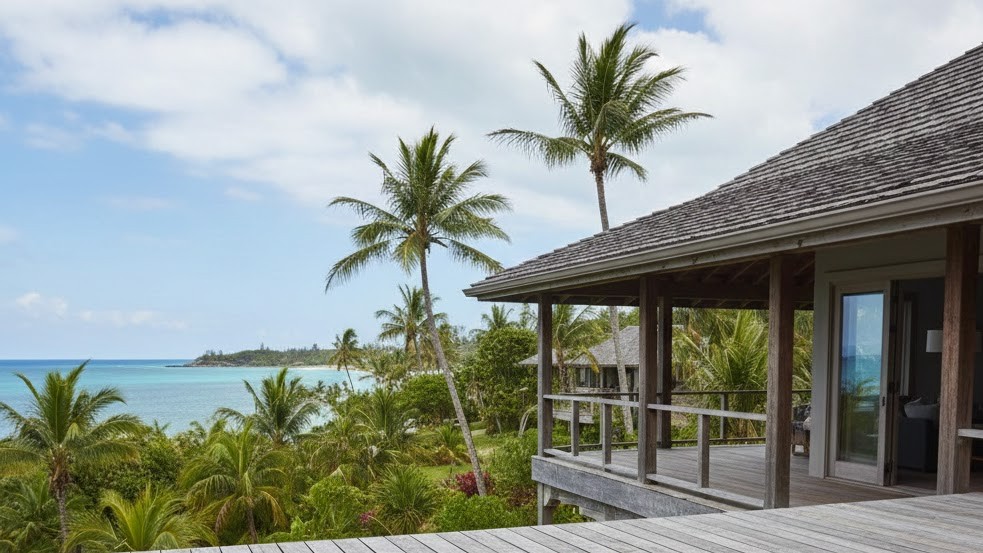
Choosing the right roofing material is more than just a design choice which it’s a crucial decision that impacts comfort, energy savings, and long-term protection. In tropical regions with intense heat, heavy rain, humidity, and strong winds, not all roofing materials perform well.
This guide explores the top-rated roofing materials for tropical climates, helping homeowners make smarter, long-lasting decisions.
What Makes a Roofing Material Suitable for Tropical Climates?
Before choosing a material, it’s important to understand why some roofs last longer and perform better in tropical regions.
1. Heat Resistance: Tropical areas experience scorching heat. A good roof should reflect sunlight, reduce heat absorption, and help maintain cooler room temperatures.
2. Strong Waterproofing: Daily rain or sudden downpours can cause leaks. The right material should have excellent water resistance.
3. Wind Durability: Some tropical regions face strong winds, especially during monsoon seasons. Your roof must prevent lifting, cracking, or breaking.
4. Protection Against Mold & Rust: Humidity encourages mold and fungus. A tropical-ready roof resists rotting, corrosion, and algae growth.
5. Long Lifespan: Replacing roofs is expensive. A suitable material should last decades, not just years.
Now Let’s Explore Each Roofing Material in Detail
Below is a breakdown of the top-rated roofing materials for tropical climates, explained in a way that helps homeowners understand exactly what they’re getting.
1. Metal Roofing: The Most Durable Choice for Tropical Homes
Metal roofing is extremely popular in tropical countries like Malaysia, Singapore, Thailand, and Indonesia.
Why Homeowners Love Metal Roofing?
Metal roofs can withstand strong winds, storms, and heavy rainfall better than most materials.
Key Benefits:
- Reflects heat, keeping your home cooler
- Long lifespan (40–70 years)
- Resistant to mold, fungus, rust, and fire
- Lightweight, reducing structural load
- Minimal maintenance required
What It Means for Homeowners:
A metal roof lowers electricity bills because it reduces how much heat your home absorbs. It’s ideal for modern houses or areas prone to storms.
2. Clay Roof Tiles: Natural Cooling for Tropical Heat
Clay tiles have been used for centuries and remain a premium choice.
Key Benefits:
-
Excellent natural insulation (keeps your home cool)
-
Strong resistance to UV rays
-
Can last 50–100 years
-
Stylish and timeless appearance
What It Means for Homeowners:
Clay tiles do not easily absorb heat, making your interior cooler throughout the day. They’re great if you want a traditional, elegant home design.
3. Concrete Roof Tiles: Strong, Affordable & Long-Lasting
Concrete tiles look similar to clay tiles but are heavier and cheaper.
Key Benefits:
-
Highly durable against heat and rain
-
Fire-resistant
-
Long-lasting (up to 50 years)
-
Lower cost compared to clay
What It Means for Homeowners:
If you want a tile roof look but want to save money, concrete tiles are a very good choice.
4. Asphalt Shingles: Flexible, Lightweight & Very Cost-Effective
Asphalt shingles are becoming more popular in tropical areas.
Key Benefits:
-
Lightweight and easy to install
-
Works well in heavy rain
-
Affordable compared to tile or metal
-
Many color and design options
What It Means for Homeowners:
If your roof structure cannot support heavy materials, asphalt shingles are a safe and budget-friendly solution.
5. Slate Roofing: The Premium Option for Maximum Protection
Slate roofs are known as one of the highest-quality roofing materials available.
Key Benefits:
-
Can last 100 years or more
-
Extremely heat-resistant
-
Waterproof and fireproof
-
Incredible durability and strength
What It Means for Homeowners:
Slate roofing is a high investment but offers unmatched protection and beauty. Perfect for luxury houses or long-term homeowners.
6. Polycarbonate Roofing: Perfect for Skylights, Patios & Outdoor Areas
Polycarbonate sheets are strong, lightweight, and allow sunlight to pass through.
Key Benefits:
-
200x stronger than glass
-
UV-protected
-
Allows natural light
-
Ideal for outdoor and semi-outdoor areas
What It Means for Homeowners:
This material is not for the main house roof but is fantastic for porches, car parks, pergolas, and extensions.
7. Green Roofing: Eco-Friendly Cooling Solution
Green roofs involve placing plants or grass on top of a waterproof layer.
Key Benefits:
-
Excellent natural cooling
-
Great for reducing heat inside the home
-
Improves air quality
-
Gives a modern and eco-friendly look
What It Means for Homeowners:
If you want an environmentally friendly option that also cools your home naturally, green roofing is ideal—but it requires proper installation and maintenance.
Which Roofing Material Should You Choose?
1. Best for Hot Temperatures:
-
Metal Roofing
-
Clay Tiles
-
Slate
2. Best for Heavy Rain:
-
Asphalt Shingles
-
Metal Roofing
-
Concrete Tiles
3. Best for High-Wind Areas:
-
Metal Roofing
-
Slate Roofing
4. Best for Homeowners on a Budget:
-
Asphalt Shingles
-
Concrete Roofing
5. Best Eco-Friendly Choice:
-
Green Roofing
Conclusion
Choosing the top-rated roofing materials for tropical climates ensures your home stays protected, cool, and cost-efficient for many years. Each material has its own strengths—whether you want durability, cooling, affordability, or style.
If you need expert recommendations based on your budget and home type, contact us today We’re ready to help you choose the perfect roofing solution tailored to your tropical climate needs.